







This website uses cookies so that we can provide you with the best user experience possible. Cookie information is stored in your browser and performs functions such as recognising you when you return to our website and helping our team to understand which sections of the website you find most interesting and useful.
I'm looking for relaxation
Filters
Showing all 3 results
we build customer trust
Michał K.

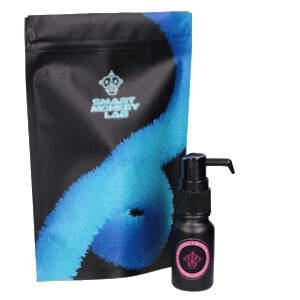
Regeneration oil from Smart Monkey Lab is a real game changer! I feel like a new person after every use. I recommend it to anyone who needs quick and effective regeneration support!
Katarzyna O.
Relaxation oil is my favorite way to end the day. It helps me calm down and relax like nothing else. It makes sleep deeper and more relaxing.
Jakub B.
As someone who is always on the go, Energy Oil is my best friend. It gives me an extra kick when I need it most. I recommend it to anyone looking for a natural source of energy!
Marta T.
Focus Oil helped me significantly improve my concentration at work. Now it's easier for me to focus and work more effectively throughout the day. It really works!
Piotr
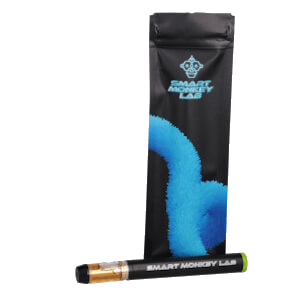
The regeneration inhaler is my must-have after intense training. It helps me get back into shape quickly and reduces the feeling of fatigue. I really recommend!
Agnes
I use the Inhaler to relax before going to bed and I must admit that I haven't slept so well in a long time. This is a great product for anyone struggling with sleep problems.
Tomasz
MoonRock regeneration dry herb is something I have been looking for for a long time. The effects are amazing and the product itself is of the highest quality. I definitely recommend it to all CBD enthusiasts!
most frequently asked  questions
frequently
asked
questions
-
CAN I USE CBD WHILE TAKING MEDICATION?
Before starting to use CBD in combination with medications, it is always worth consulting your doctor. CBD may affect the metabolism of some medications because it is metabolized by the same enzymes in the liver as some medications. This may result in increased or decreased levels of drugs in the body.
Therefore, it is important that your doctor can adjust your medication dosage if you decide to use CBD. You should avoid changing medication doses yourself without consulting a professional. If you are taking medications for chronic conditions, it is necessary to be especially careful and monitor your body's response to CBD.
Remember that every body is different, so the reaction to CBD may vary. Consulting your doctor will help you plan the safe and effective use of CBD in combination with medications. -
WHAT IS THE DIFFERENCE BETWEEN CBD AND THC?
CBD (cannabidiol) and THC (tetrahydrocannabinol) are the two main cannabinoids found in hemp. The main difference between them is their psychoactive effects.
THC is psychoactive and causes a high feeling, while CBD does not have this effect. CBD is legal in many places, while THC is often regulated by controlled substance laws.
-
WHICH CBD IS RECOMMENDED AT START?
To start with, we recommend choosing CBD products with lower strength and clear composition. Various forms are available, such as oils, capsules and products for external use (creams, balms). When choosing CBD oil, start with a lower dose, e.g. 10 mg per day, and then gradually increase the dose while monitoring your body's reaction.
Full-spectrum products (containing other cannabinoids and terpenes) may have an advantage because they exhibit an entourage effect, but may also contain trace amounts of THC. If you are concerned about the effects of THC or are subject to drug testing, consider CBD isolate products that are completely THC-free.
-
HOW DOES CBD WORK?
CBD works by influencing the endocannabinoid system in our body. This system consists of cannabinoid receptors (CB1 and CB2), enzymes and naturally occurring cannabinoids. CBD does not bind directly to CB1 and CB2 receptors, but may affect their functions indirectly.
Research suggests that CBD may have a range of effects, including:
- redukcję bólu poprzez wpływ na receptory bólu i przewodnictwo nerwowe,
- łagodzenie stanów zapalnych poprzez hamowanie odpowiedzi immunologicznej,
- redukcję lęku i stresu poprzez wpływ na receptory serotoninowe,
- poprawę jakości snu poprzez wpływ na cykl snu i budzenia,
- działanie antyoksydacyjne i neuroprotekcyjne, czyli pomoc w ochronie komórek mózgowych.
However, it is worth noting that the effects of CBD are complicated and may vary depending on the person and the dose.
-
CBD - WHAT IS IT?
CBD, or cannabidiol, is one of many naturally occurring chemicals, called cannabinoids, that can be found in the cannabis plant. CBD is non-psychoactive, which means it does not cause the "high" feeling associated with THC, the other main cannabinoid in cannabis. Research suggests that CBD may have the potential to alleviate many health conditions, such as pain, inflammation, anxiety, insomnia, and more.